
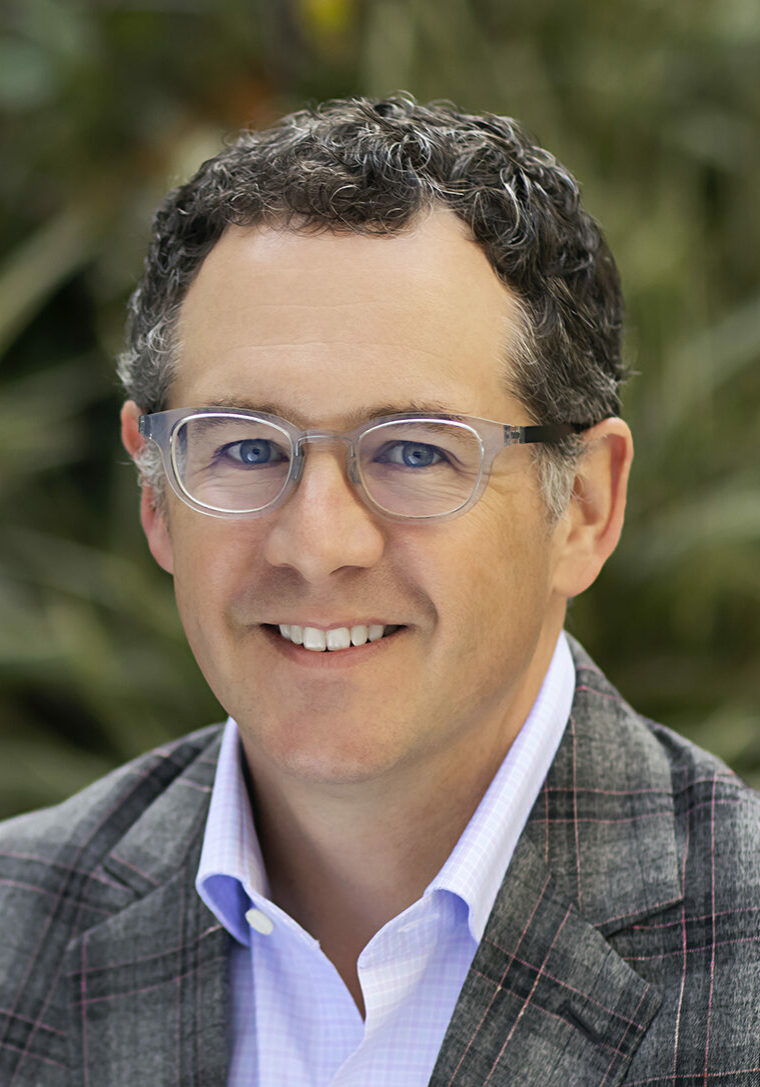
Event Speaker
Marc Kohli, MD, FSIIM
Professor of Radiology and Biomedical Imaging, Medical Director of Imaging Informatics
University of California San Francisco
Marc Kohli, MD, FSIIM is Professor of Radiology and Biomedical Imaging, Medical Director of Imaging Informatics for UCSF Health, and the Associate Chair of Clinical Informatics for the Department of Radiology and Biomedical Imaging.
Marc Co-Leads Imaging IT at UCSF focusing on operations and application support for a variety of clinical services at UCSF. Marc has an extensive record of service to informatics former Chair of the Board of Directors for the Society of Imaging Informatics in Medicine (SIIM). Marc also participates on the Radiology Informatics Committee (RIC) for RSNA as the co-chair of a joint RSNA/ACR Committee on Common Data Elements (CDE) (http://radelement.org).
Sessions
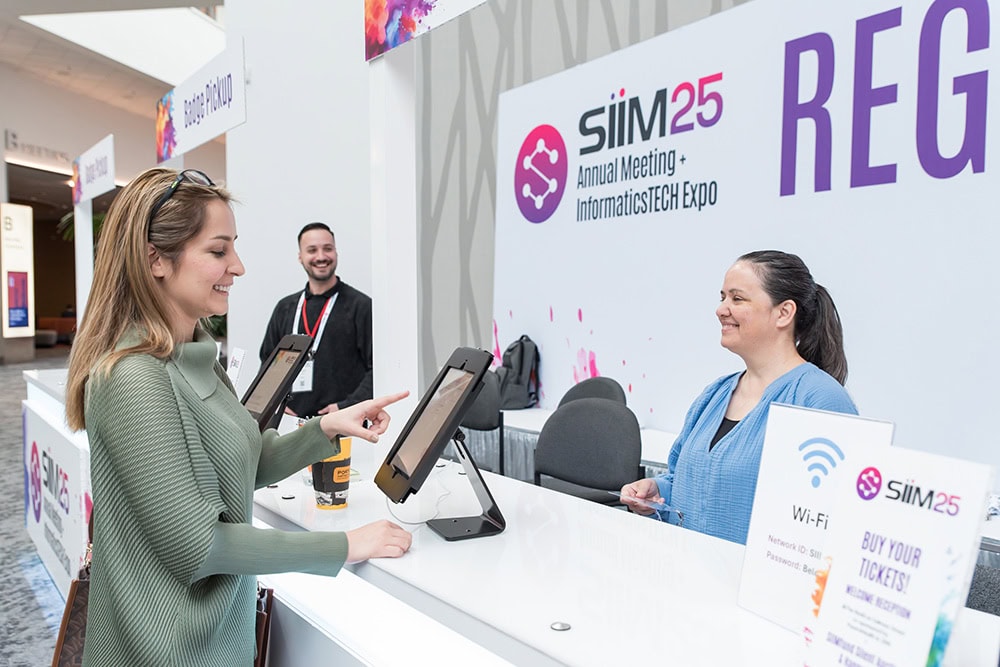
Beyond the Monolith: Integrating Pathology and other Ologies into a Specialized Enterprise Imaging Strategy
Industry Connect Session
Presented by Michael Valante, MBA, Andrew Volkening, Shawni Hadfield, Marc Kohli, MD, FSIIM in Cardiology, Dermatology, Ophthalmology, Pathology, Radiology Jun 10, 2026 | 12:30 PM.
As healthcare data grows in complexity, the traditional "monolithic" imaging system is increasingly failing to meet the unique, high-resolution demands of diverse clinical specialties. This session explores how to empower organizations to dismantle these silos by integrating digital pathology and other "ologies" into a cohesive, specialized enterprise imaging strategy. We will examine the critical balance between maintaining high-performance, department-specific workflows and…
If Clinicians Designed AI: Creating Seamless, Human-Centered Imaging Solutions
Presented by Ali S. Tejani, MD, Nina Kottler, MD, MS, FSIIM, Robert Slater, PhD, Mohammed Younis, MS, James T. Whitfill, MD, CIIP, FSIIM, Marc Kohli, MD, FSIIM in Ophthalmology, Radiology Jun 12, 2026 | 8:15 AM.
As AI portfolios in imaging continue to expand, many organizations find that deployment is moving faster than user education, workflow alignment, and thoughtful interface design. Attendees will explore why technically strong AI models often fail to deliver real efficiency gains when results are difficult to access, inconsistently presented, or poorly aligned with clinical workflows. The session establishes the core…